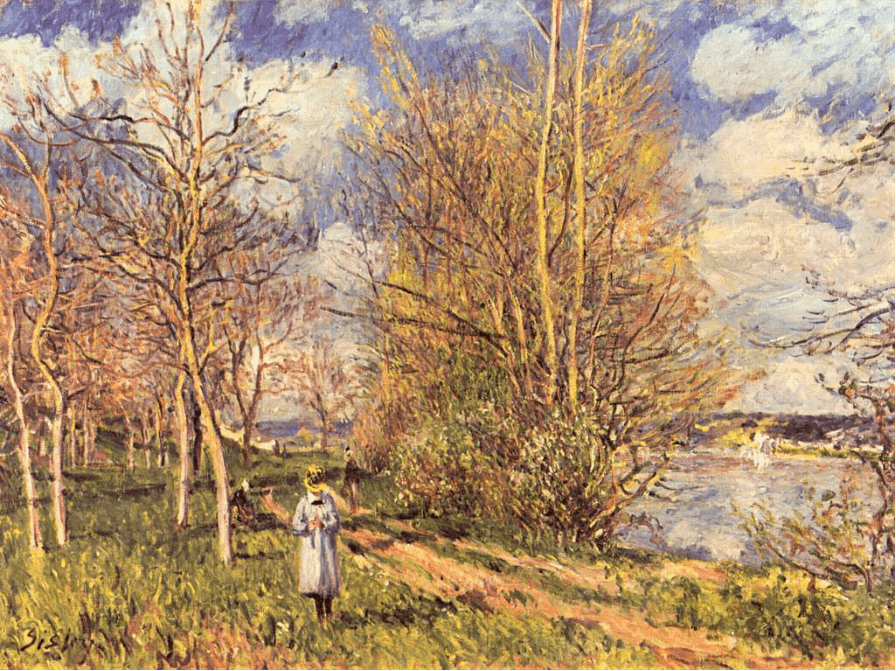
The Art Story 1400-1870
The Early Renaissance Period
In the early 15th century, a rebirth of classical learning occurred in Florence, Italy. The city-state was ruled by wealthy merchants and bankers, whose families became great patrons of the arts. Although the church was still powerful, Florentine citizens viewed themselves as conscious beings open to new ways of thinking and were one of the first to embrace a new philosophy which had been sweeping Italy at the time known as Humanism.
Florentine artists like Brunelleschi, Donatello, and Masaccio embraced new mathematical principles in the late Middle Ages. These artists used Humanist developments to create more realistic foreshortening and used visual illusion techniques called trompe lóeil. Humanism did not signal the end of religion: painters and sculptors rendered their holy figures and biblical narratives with a new awareness of picture perspective and anatomical detail that moved away from the existing, more idealized “flat” art.

A brief summary of the period
Renaissance artists moved away from Gothic and Romanesque iconography, turning instead to the classics for inspiration. They were inspired by the humanistic and individualistic spirit of the emerging era, which empowered them to immerse themselves in studies of philosophy, theology, mathematics and science. The innovations that emerged in art during this period would go on to cause reverberations that continue to influence creative and cultural arenas today.
Impactful artists of the Early Renaissance period
- Masaccio, born Tommaso di Ser Giovanni di Simone;
- Donato di Niccolò di Betto Bardi
- Filippo Brunelleschi
- Piero della Francesca
- Andrea Mantegna
- Sandro Botticelli
- Giovanni Bellini
- Fra Angelico

The Northern Renaissance Period
The Northern Renaissance artists adopted the naturalistic and linear perspectives of their Italian counterparts but subdued their religious piety and idealized beauty. Inspired by the Protestant Reformation (1517-1648), Northern artists favored portraits and humble scenes of everyday life over religious subjects, which carried a more understated moral message. The Northern Renaissance style was influenced by both the Late Gothic period and the Protestant Reformation.
The art of the Reformation emphasized the vernacular, or common speech, which encouraged artists to depict familiar themes and imagery from everyday life. The style of art in this period is characterized by a preference for dark and somber tones, though engravings and woodblock prints were also available thanks to Gutenberg’s invention of the printing press around 1450.

A brief summary of the period
Beginning in the early fifteenth century, Northern Renaissance art began to borrow techniques from the Italian Renaissance. These techniques included linear perspective and a realistic approach to figurative representation. The Protestant Reformation led to a backlash against Italy’s lofty ideals of beauty surrounding the Roman Catholic Church. As a result, Northern Renaissance art became humbler and presented an everyday view of reality, appealing to new merchant classes.
Impactful artists of the Northern Renaissance period
- Lucas Cranach the Elder
- Pieter Bruegel the Elder
- Matthias Grünewald
- Hieronymus Bosch
- Albrecht Dürer
- Jan van Eyck’s

The High Renaissance Period
The High Renaissance is the term given to the period in art history when the ideals of Humanism and individualism reached their apex. This was principally associated with three geniuses—Leonardo da Vinci, Michelangelo, and Raphael—and coincides with Rome becoming Italy’s new cultural capital. The High Renaissance is characterized by an emphasis on harmony, symmetry, and naturalism.
Artists such as Leonardo da Vinci, Michelangelo, and Raphael perfected techniques such as perspective, trompe l’oeil, foreshortening, sfumato, and quadratura. The concept of the “Renaissance Man” – a man of many talents who can achieve greatness because he has been touched by God himself – is illustrated by Michelangelo’s The Creation of Adam.

A brief summary of the period
The High Renaissance, also called the Golden Age of Italian art, refers to a thirty-year period during which artists such as Leonardo da Vinci and Michelangelo created groundbreaking works of art in Italy. This rebirth of culture was marked by an astonishing revival of classical ideas and values combined with an intense interest in the humanities.
Impactful artists of the High Renaissance period
- Antonio da Correggio
- Leonardo da Vinci
- Andrea del Sarto
- Michelangelo
- Raphael

The Mannerism Period
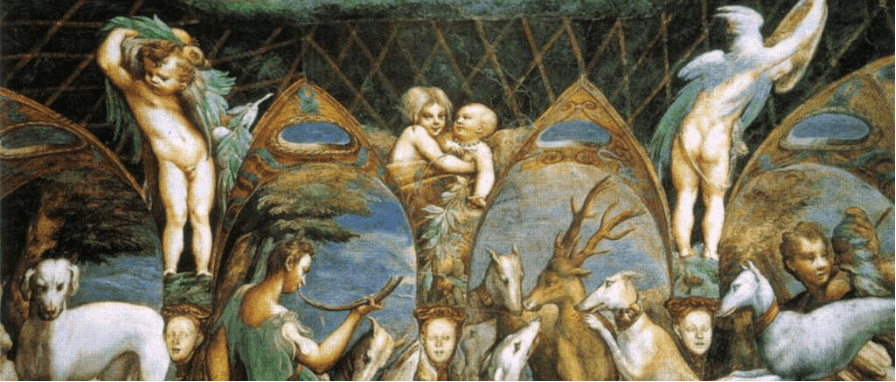
The Mannerist style was originally created in Florence and Rome during the High Renaissance era. The Mannerists sought to create works that privileged the emotions over the intellect, and to focus on matters of aesthetics rather than humanism. This style soon spread throughout Italy and then across much of central and northern Europe. Mannerist art was a reaction against the Italian Renaissance.
The artists of Mannerism often juxtaposed classical and imaginary tropes, making their artwork appear irrational. Their paintings were characterized by unnatural color schemes, flattened picture planes, and strong decorative elements. The elongated figures found in many Mannerist works are a good example of this, as well as their emphasis on proportion and perspective.
A brief summary of the period
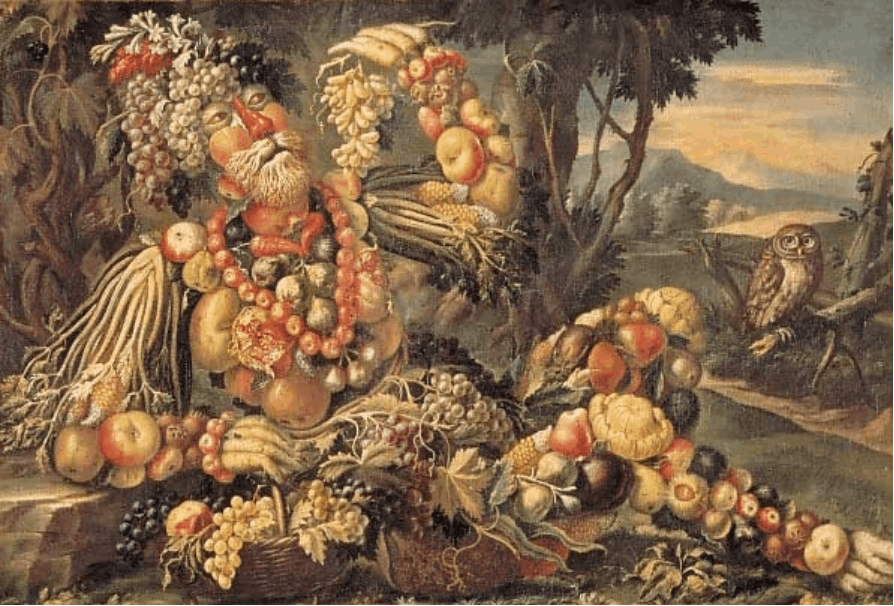
Mannerism was an artistic movement that emerged in 16th century Florence and Rome. The style emerged as a reaction to the perfection of naturalism that had characterized Renaissance art. In Mannerist paintings, artists began to veer from classical influences and move toward more intellectual and expressive approaches. The radical asymmetry and artifice of Mannerist paintings was informed by discoveries in science that led people away from Humanist ideals, which posited man as the center of the universe.
Many scholars have chosen to divide Mannerism into two periods: early (or anti-traditional) Mannerism, which lasted until 1535, and high (or artificial) Mannerism, which appealed to sophisticated patrons and became a kind of court style. Later, the use of the term Mannerism to denote a particular period in art history was pioneered by Luigi Lanzi, an art historian who lived in the 17th century.
Impactful artists of the Mannerism period
- Giorgio di Antonio Vasari
- Giuseppe Arcimboldo
- Artemisia Gentileschi
- Sofonisba Anguissola
- Paolo Veronese
- Parmigianino
- Caravaggio
- El Greco
- Bronzino
- Titian
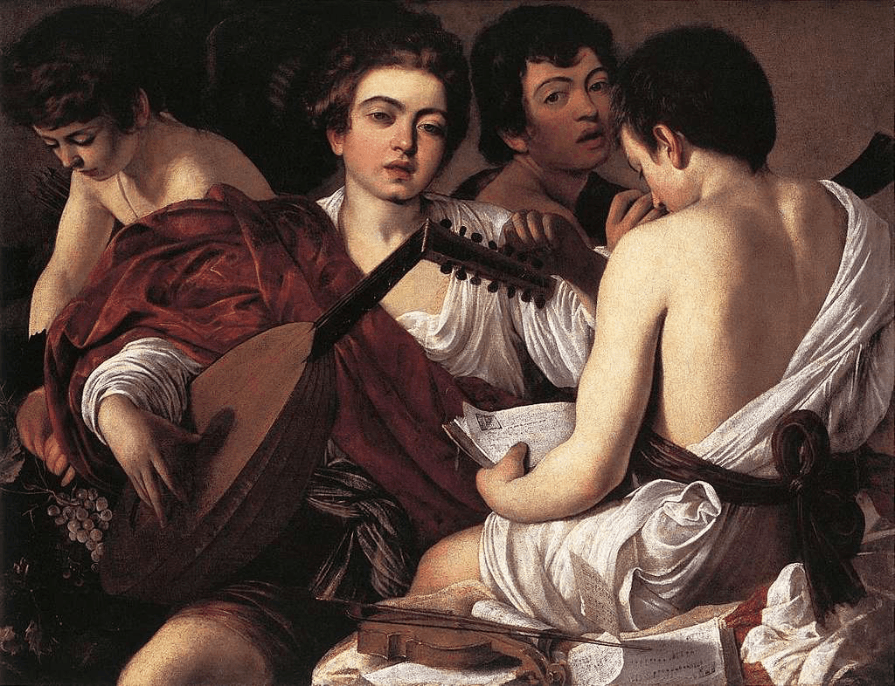
The Baroque Period
After the Mannerist period, the Catholic Church in Rome focused its efforts on reasserting its authority and importance. It emphasized drama and grandeur in religious images as part of the so-called “Catholic Counter-Reformation” movement, which spread across Europe and to newly colonized regions around the globe where missionaries arrived to convert people, they deemed to be primitive peoples to Catholicism which they saw as their holy duty.
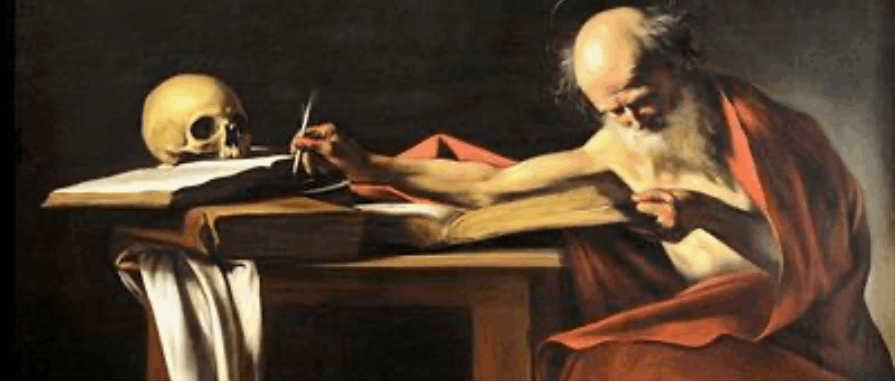
In the Baroque period, proponents of art and architecture wanted to create works that would bring religious teachings to life by immersing viewers in dramatic and emotionally moving scenes. Artists such as Caravaggio and architects like Gian Lorenzo Bernini were called upon to reshape their respective fields of work.
A brief summary of the period
In 1527, the Catholic Church embraced art that was marked by the exuberant extravagance and ornate details of Baroque style. This return to classicism was a response to the conservative Protestant Reformation, which had compelled society’s artistic output to be more representative of religious and moral ideals.
Baroque art spread rapidly through Europe, largely due to the efforts of the Roman Catholic Church and powerful religious orders. It was further disseminated by these groups’ extensive network of monasteries and convents.
Impactful artists of the Baroque period
- Caravaggio
- Artemisia Gentileschi
- Rembrandt van Rijn
- Diego Velázquez
- Peter Paul Rubens
- Gian Lorenzo Bernini
- Claude Lorrain
- Anthony Van Dyck
The Dutch Golden Age Period
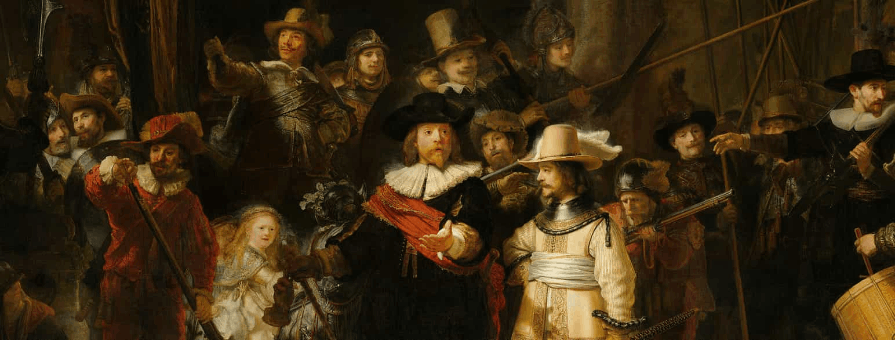
In the seventeenth century, the Dutch Republic flourished economically and artistically. The new liberal nation, which benefitted from an influx of Jewish and Protestant refugees fleeing the Catholic rule of neighboring Habsburg territories, saw growth in its middle- and merchant-class populations. The period was marked by economic, scientific, and cultural advancement and prosperity, which led to increased patronage of art by the growing middle class.
The Dutch Golden Age (1575–1675) saw a national flowering in arts, science, exploration, and trade. While many artists were trained or had studied in the traditional Dutch manner of realist portraiture, landscapes and still life, they also began to experiment with other subjects such as cityscapes, genre paintings (such as domestic interiors and tavern scenes) and Pronkstillevens (sumptuous images of lavish feasts).
A brief summary of the period
During the 17th century, the Dutch Republic’s newly acquired independence from Spain spurred a cultural renaissance that thrived on a growing middle class. A surge in commerce led to an influx of trade and a rise in art aimed at depicting everyday life. The paintings were characterized by genre works that focused on aspects of everyday life such as household scenes, domestic activities and leisure pursuits.
Impactful artists of the Dutch Golden Age period
- Frans Hals
- Carel Fabritius
- Rembrandt van Rijn
- Rachel Ruysch
- Judith Leyster
- Johannes Vermeer
- Pieter de Hooch
- Anthony Van Dyck

The Rococo Period
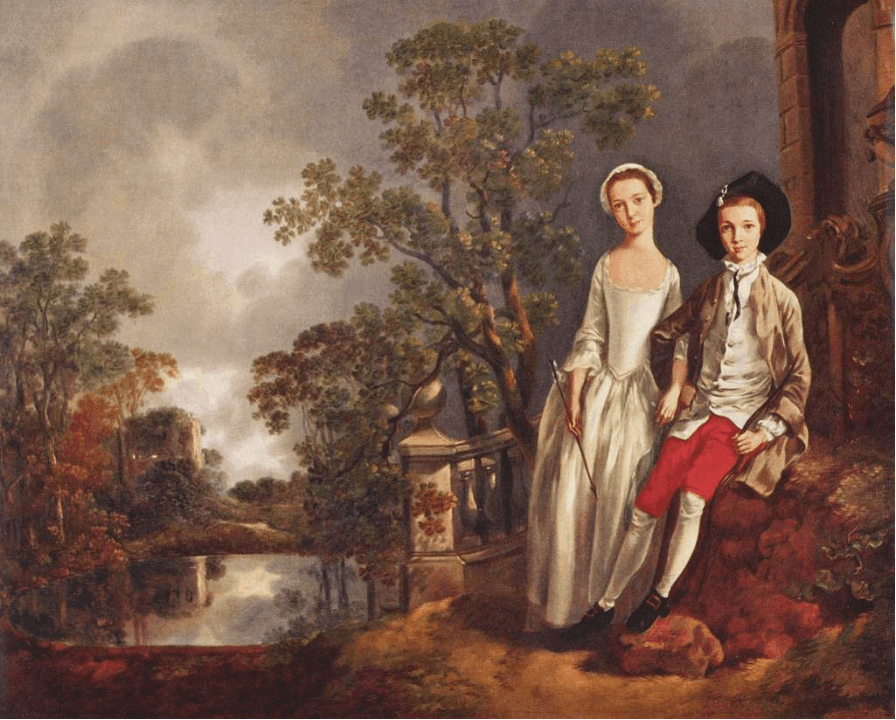
Originated in eighteenth century France, Rococo art and interior design spread throughout Europe, becoming especially popular in Italy, Austria, Germany, and Russia. It is considered a more playful form of Baroque art that came after the reign of King Louis XIV.
Rococo art was commissioned by patrons of noble or royal. These paintings typically featured elegant pastoral landscapes and fête galante images of outdoor pastimes and courtships, often carrying erotic overtones. Portraiture appealed to the heightened vanity of the sitter, too. The Rococo style was pervasive in eighteenth-century French interior design, reflected in the soft furnishings and decorative objects that filled the newly invented salon.

A brief summary of the period
Rococo was a popular form of art, which originated in France, in the early 1700s. It was a movement that displayed an aristocratic idealism and favored elaborate ornamentation and intricate detailing. The paintings were created to celebrate the grandiose ideals and lust for the aristocratic lifestyle and pastimes. Rococo eventually evolved into a new style—an over-the-top marriage of decorative and fine arts—which influenced 18th century continental Europe.
Impactful artists of the Rococo period
- Tiepolo
- Canaletto
- François Boucher
- Thomas Gainsborough
- Jean-Antoine Watteau
- Jean-Honoré Fragonard
- Jean-Baptiste-Siméon Chardin
- Elisabeth Louise Vigée Le Brun
The Neoclassicism Period
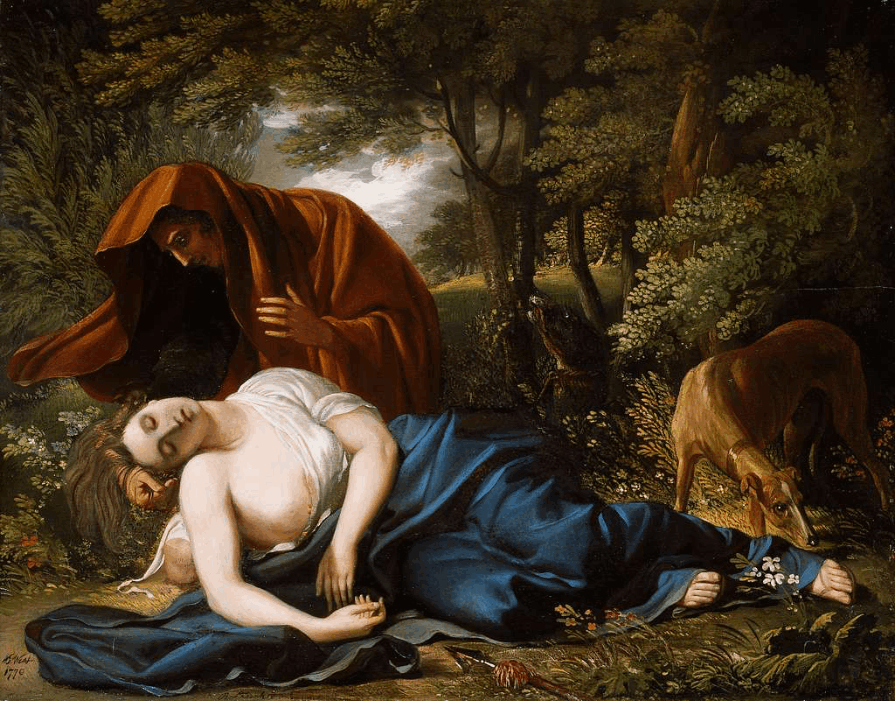
The Neoclassical movement was born in the 18th century as a reaction to the Enlightenment. Artists focused on the ideals of logic, reason, and democracy, and these values are reflected in their paintings’ linear forms and limited use of color. Excavations at the Italian cities of Herculaneum and Pompeii revealed murals that taught artists about linear perspective and color theory.
Art historians divide the Neoclassical style into two periods: the early period, exemplified by Anton Raphael Mengs and Benjamin West, and the late period, represented by Jacques-Louis David and his erstwhile pupil Jean-Auguste-Dominique Ingres. In both periods, artists returned to the age of antiquity as a way of repeating its intellectual, scientific, social, and moral values. Simplicity, restraint, harmony, and order returned as the highest virtues in art.

A brief summary of the period
Artists and architects of the 18th century sought to create new works that reflected, and embodied, the ideals of classical Greece and Rome. The discovery of Pompeii and Herculaneum in Rome inspired this movement, which emphasized the study of science, history, mathematics and anatomy. This shift change from Rococo art and court painting was in response to the vanity culture that had come before it.
Impactful artists of the Neoclassicism period
- Angelica Kauffman
- Jacques-Louis David
- Jean-Antoine Houdon
- Benjamin West
- Arnold Böcklin
- Jean-Léon Gérôme
- Frederic Leighton
- Antonio Canova
- Élisabeth Louise Vigée Le Brun
- William-Adolphe Bouguereau
- Jean-Auguste-Dominique Ingres
- Anton Raphael Mengs
The Romanticism Period
Romanticism was a movement which arose as a reaction against the formal, rationalistic thinking of the Enlightenment and Neoclassical periods. Romantics valued personal experience and emotion over reason, favoring strong individualism in their approach to art and life.
The term “Romanticism” refers to both a style of art and an intellectual movement that began in the late eighteenth century. The movement emphasized emotion, individualism, imagination, and nature as sources of inspiration. Artists such as Caspar David Friedrich, John Constable, Francisco Goya and Eugène Delacroix used Romantic techniques to depict scenes that conveyed the awesome power of nature or portrayed ineffable human experiences.

A brief summary of the period
In the late 18th century and throughout the 19th, Romanticism spread throughout Europe and the United States to challenge the rational ideals of the Enlightenment. Romanticism celebrated the individual imagination and intuition in its pursuit of individual rights and liberty. Its ideals of artistic creativity reached their peak in avant-garde movements well into the 20th century.
Romanticism was a far-reaching international movement that valued originality, inspiration and imagination. The movement promoted a variety of styles within it, including literature, music, art and architecture. Many Romanticists also emphasized the individual’s connection to nature and an idealized past in order to stem the tide of increasing industrialization.
Impactful artists of the Romanticism period
- Francisco Goya
- Caspar David Friedrich
- Joseph Mallord William Turner
- Eugène Delacroix
- John Constable
- Jean-Auguste-Dominique Ingres
- Théodore Géricault
- Henry Fuseli
- William Blake
- Ivan Aivazovsky

The Barbizon School Period
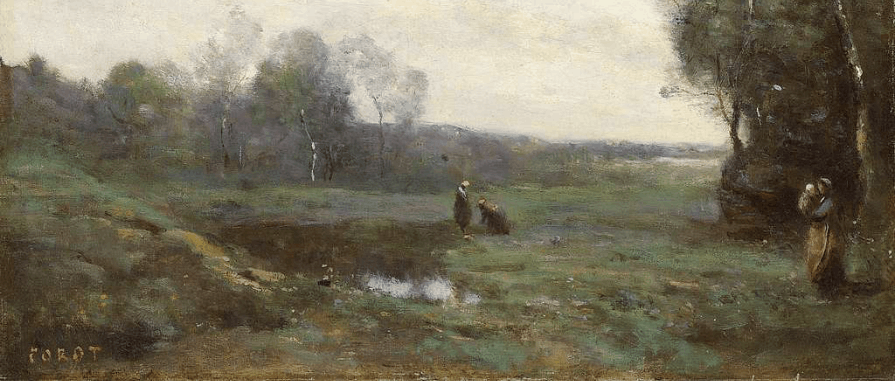
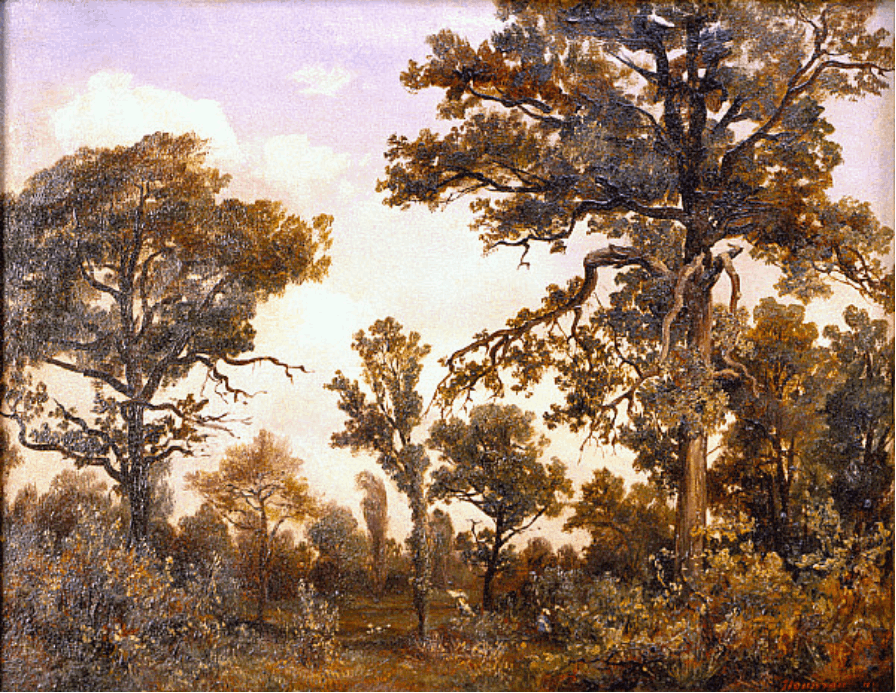
The Barbizon School was a group of 19th-century French artists who painted landscapes near the village of Barbizon, near Fontainebleau Forest. Their members were loosely associated with each other and many different approaches. This group can take credit for bringing a new level of credibility to landscape painting.
The Barbizon School of landscape painters, including Jean-Baptiste-Camille Corot and Theodore Rousseau, effectively elevated landscape painting from its supporting role in historical and mythological scenes. The Barbizon painters were also interested in representing a direct rendering of the countryside that remained true to the colors and forms of nature. Many Impressionist painters were influenced by the Barbizon School.
A brief summary of the period
The Barbizon School was a group of artists who worked in the village of Barbizon, located just outside Paris near the Forest of Fontainebleau. The painters shared a passion for painting en plein air (outdoors) and sought to elevate landscape painting from a mere background to mythological or classical scenes to a subject in its own right. The rugged countryside and ancient trees of the forest held a powerful attraction and inspired several generations of artists from Jean-Baptiste-Camille Corot, Theodore Rousseau, and Jean-François Millet to Renoir and Manet.
Impactful artists of the Barbizon School period
- Jean-Baptiste-Camille Corot
- Théodore Rousseau
- Jean-François Millet
The Realism Period
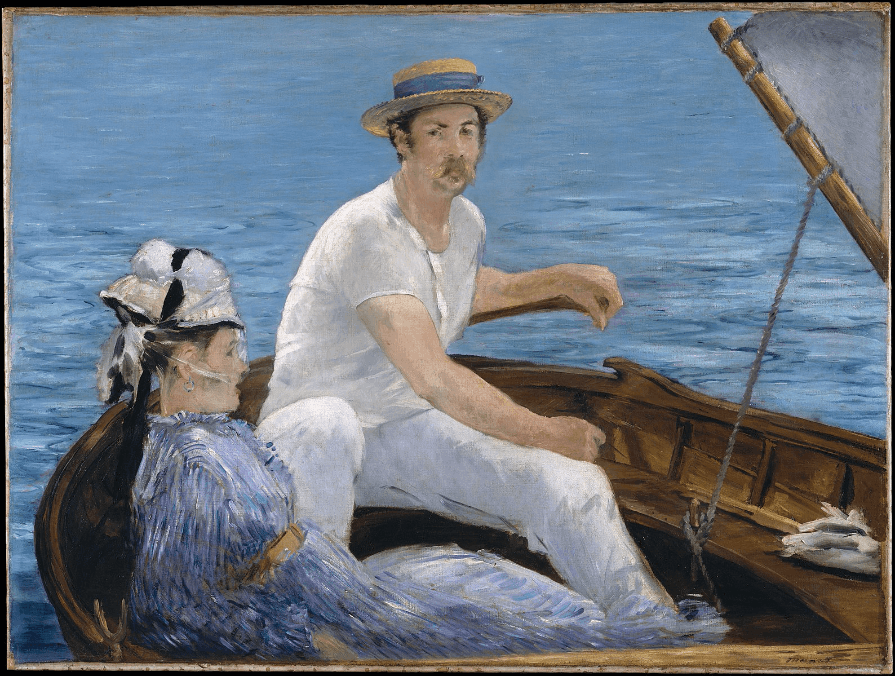
Realism is a movement in art and literature that began in France after the Revolution of 1848 (and during the Second Empire under Napoleon III), rejected Neoclassicism and Romanticism. It was characterized by an emphasis on depicting ordinary people and ordinary life rather than idealized subjects, and it had a strong political bias consistent with Émile Zola’s, Honoré de Balzac’s, and Gustave Flaubert’s writings. Realism rejected idealized imagery and instead sought to represent everyday life. Gustave Courbet was one of the movement’s chief proponents; he painted images of prostitutes and rural laborers and worked outside of Paris, challenging timeless beliefs about what constitutes aesthetic beauty.
A brief summary of the period
Realism was the first modern art movement and rejected traditional forms of art, literature, and social organization in the wake of the Enlightenment and Industrial Revolution. Realists rejected idealistic images as outmoded in favor of real-life events and replaced pictorial techniques like perspective with direct observation. This early manifestation of avant-garde desires to merge art and life prefigured 20th century definitions and redefinitions of modernism. Early 20th century avant-garde artists such as Marcel Duchamp, who claimed to have made art out of anything he could find, wished to merge art and life. Such desires prefigured later 20th century redefinitions of modernism.
Impactful artists of the Realism period
- Gustave Courbet
- Édouard Manet
- John Singer Sargent
- Ilya Repin
- Henri Fantin-Latour
- Jean-François Millet
- James Abbott McNeill Whistler
- Thomas Eakins
- Honoré Daumier
The Pre Raphaelites Period
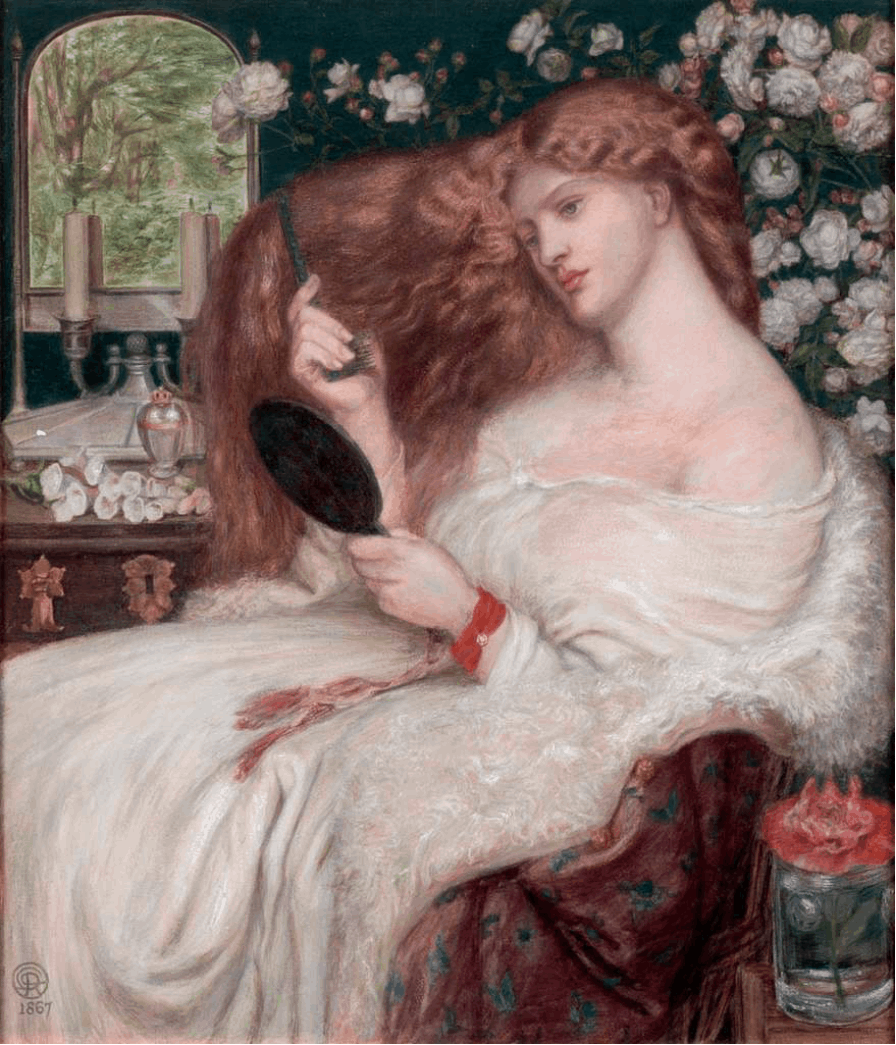
The Pre-Raphaelite Brotherhood was the first group in Britain to challenge the Royal Academy’s preference for history painting. It produced art that took its aesthetic and philosophical lead from medieval craftspeople/artists and downplayed High Renaissance ideals. The Pre-Raphaelite Brotherhood believed that art should be an accurate representation of nature and human emotion. These artists were inspired by medieval styles, stories, and methods of production. Members of this group included William Holman Hunt, John Everett Millais, Dante Gabriel Rossetti and William Michael Rossetti. The movement had a profound influence on the development of the Arts and Crafts Movement.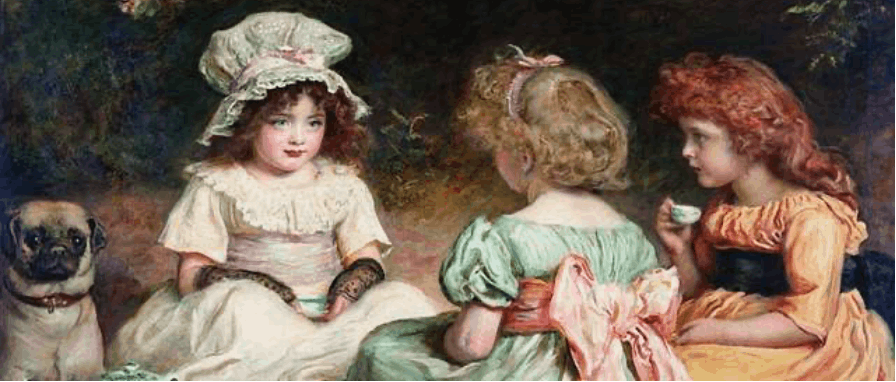
A brief summary of the period
The Pre-Raphaelite Brotherhood, established in 1848, opposed the Royal Academy’s narrow views on art. They believed that painters before the Renaissance offered a realistic view of nature and the human body rather than idealistic or moralistic ones. They also believed that medieval guilds offered an alternative vision for an artistic community in contrast to mid-19th century academic approaches.
Impactful artists of the Raphaelites period
- Dante Gabriel Rossetti
- John Everett Millais
- Julia Margaret Cameron
- William Morris
- William Holman Hunt
- Ford Madox Brown
- Evelyn De Morgan
The Art and Crafts Period
In Britain, the Arts & Crafts Movement was a reaction against the march of industrialization. In America, however, many believed that machines could improve life. All adherents to the movement held in common an interest in decorative design aesthetics and a desire for an idyllic lifestyle.
The Arts and Crafts Movement, which was inspired by the writings of John Ruskin and William Morris and whose principles were carried forward by craftsmen such as C. R. Ashbee, Walter Crane, and A. H. Mackmurdo, championed natural materials and traditional handicraft methods such as calligraphy, textiles, and stained glass. It also influenced later movements such as Art Nouveau and Art Deco.
A brief summary of the period
The Arts & Crafts Movement was initiated as a reaction to the impersonal and mechanized nature of 19th-century life. The movement emphasized the importance of high-quality materials and utility in design, was admired for its use of craftsmanship and handwork, and resulted in the creation of many beautiful works of art. By the 1890s, the Arts & Crafts had spread to North America where it continued until at least the 1920s.
The Impressionism Period
The Impressionist movement was launched in 1863 when a group of avant-garde artists—including Cézanne, Renoir, and Manet—were refused admission to the official art salon. The French Impressionists were interested in optical illusions and the transitory nature of perception. They wanted to capture movement, light, atmosphere, and weather in their work. To do so, they loosened their brushwork and lightened their palettes – using pure, intense colors in their landscapes of modern life.

A brief summary of the period
Impressionism is one of the most important movements in modern art. It emerged in the 1860s, when a group of young artists began painting out of doors and using lighter brushwork than had previously been used. The movement rejected official exhibitions, instead organizing its own group showings.
Impactful artists of the Impressionism period
- Édouard Manet
- Edgar Degas
- Camille Pissarro
- Mary Cassatt
- James Abbott McNeill Whistler
- Claude Monet
- Pierre-Auguste Renoir
- Alfred Sisley
- John Singer Sargent
- Childe Hassam
- William Merritt Chase