The Art Story 1940-1980

The Abstract Expressionism Period

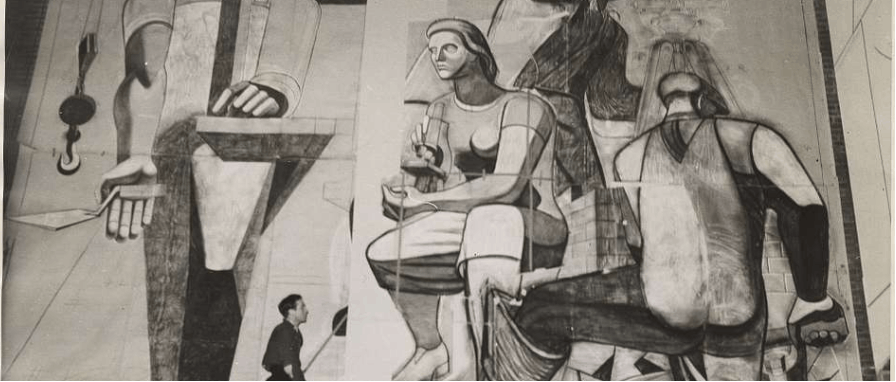
In the aftermath of World War II, New York Abstract Expressionists abandoned representational painting and instead focused on expressing profound emotion and universal themes through abstract means. Their paintings were monumental in scale and romantic in mood, with a distinctly American spirit. These artists created a new art for the post-war world.

A brief summary of the period

In the 1940s and 1950s, painters in New York City created works characterized by vigorous, emotional strokes. The group of artists who created paintings filled with fields of color and abstract shapes was influenced by the legacy of surrealism—a movement to which they translated their own style fitted to post-war anxiety. The success of these New York painters helped take the title away from Paris, which paved the way for America’s influence on the international art scene.

Impactful artists of the Abstract Expressionism period

  • Jackson Pollock
  • Mark Rothko
  • Clyfford Still
  • Hans Hofmann
  • Willem de Kooning
  • Helen Frankenthaler
  • Lee Krasner
  • Barnett Newman

The Color Field Painting Period

Mark Rothko, Barnett Newman, Helen Frankenthaler and Clyfford Still were all painters who created an abstract style of painting called color field painting. The name is derived from the technique of using large swathes of flat color that merged together with the background. Clement Greenberg praised this movement and the related Post-Painterly Abstraction movement in his criticism.

A brief summary of the period

Color Field Painting is a tendency within Abstract Expressionism, distinct from gestural abstraction. This technique involves applying large fields of color with a brush or painting knife. Mark Rothko, Barnett Newman and Clyfford Still pioneered this style in the late 1940s. It inspired much post-painterly abstraction, particularly that of Helen Frankenthaler, Morris Louis, Kenneth Noland and Jules Olitski.

Impactful artists of the Color Field period

  • Mark Rothko
  • Helen Frankenthaler
  • Morris Louis
  • Frank Stella
  • Ellsworth Kelly
  • Clyfford Still
  • Kenneth Noland
  • Barnett Newman
  • Richard Diebenkorn

The Neo-Dada Period

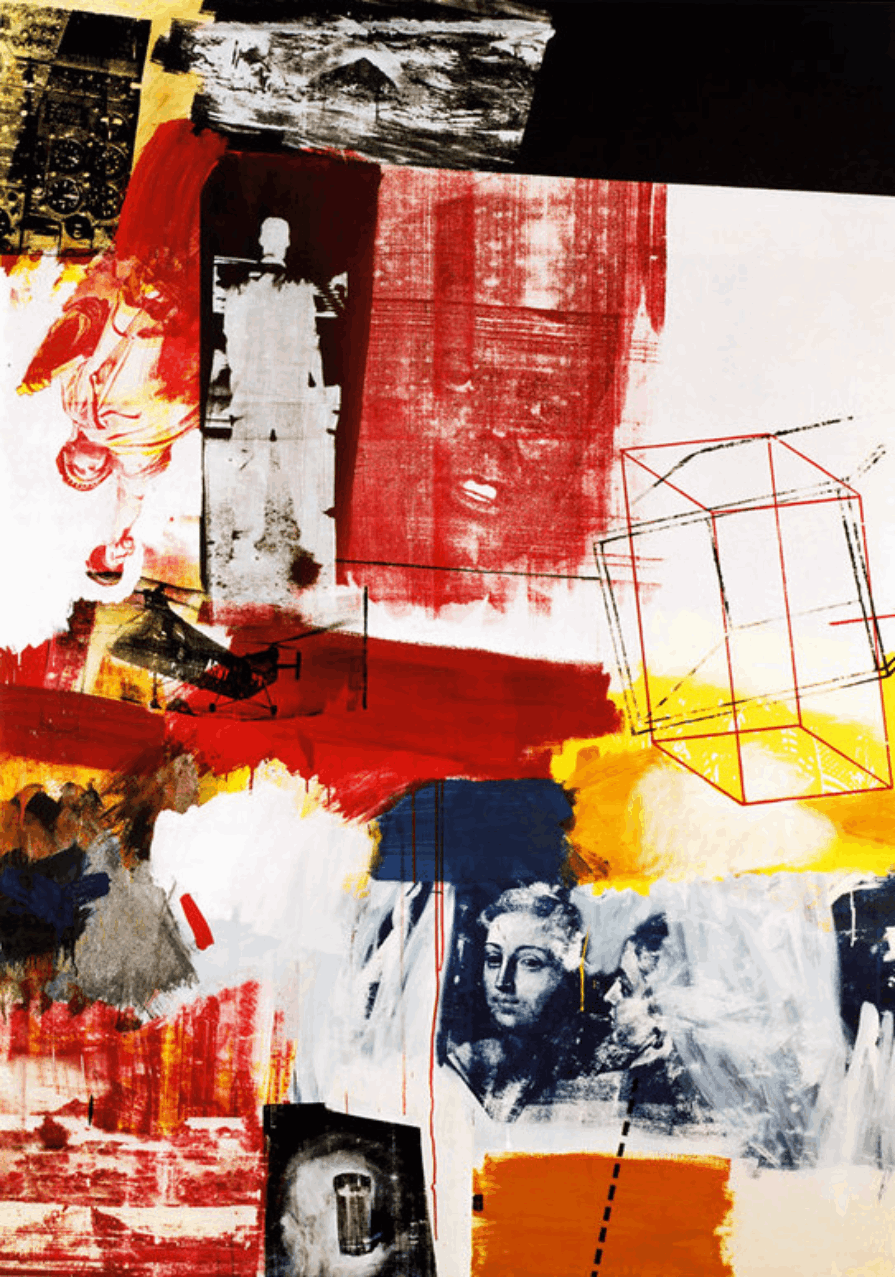
The Neo-Dada artists reacted against the existential angst of the Abstract Expressionists by emphasizing interaction with an audience and pop culture in their work. They used mass media, found objects, performance and chance to eliminate artistic control in favor of viewer interaction. The Neo-Dada artists mocked consumer culture by uniting abstraction with realism in disregard of boundaries through their experiments with assemblage and performance art.

A brief summary of the period

In the 1950s, several influential artists including Jasper Johns, Robert Rauschenberg, and Allan Kaprow—known as neo-Dadaists—rebelled against abstract painting’s focus on emotional expression by introducing everyday objects and emphasizing performance. Their rebellion ushered in radical changes to modern art during the 1960s and paved the way for Pop art, Minimalism, and Conceptualism.

Impactful artists of the Neo-Dada period

  • Robert Rauschenberg
  • John Cage
  • Arman
  • Merce Cunningham
  • Edward Kienholz
  • Jasper Johns
  • Allan Kaprow
  • Yves Klein
  • Jim Dine

The Kinetic Art Period

In the 1960s, the Paris exhibition Kinetic and Op art were launched. These movements were inspired by artists seeking to create more interactive relationships with viewers, as well as new visual experiences. The movement encouraged new kinds of art that went beyond traditional handcrafted objects, which enabled viewers to see beauty as a product of optical illusions or mechanical movement.

A brief summary of the period

The term kinetic art refers to works of art that are presented in a manner that allows them to move or seem to move. Modern artists—from Impressionists to Op artists—have expressed their fascination with motion by presenting works that move or seem to move before viewers’ eyes. Kinetic art has its origins in the Dada and Constructivist movements of the 1910s, but it grew into an international avant-garde following Le Mouvement, a group exhibition held in Paris in 1955.

Impactful artists of the Kinetic Art period

  • Vladimir Tatlin
  • Alexander Calder
  • Alexander Rodchenko
  • Jean Tinguely
  • Marcel Duchamp
  • László Moholy-Nagy
  • Naum Gabo
  • Mark di Suvero

Mark di Suvero

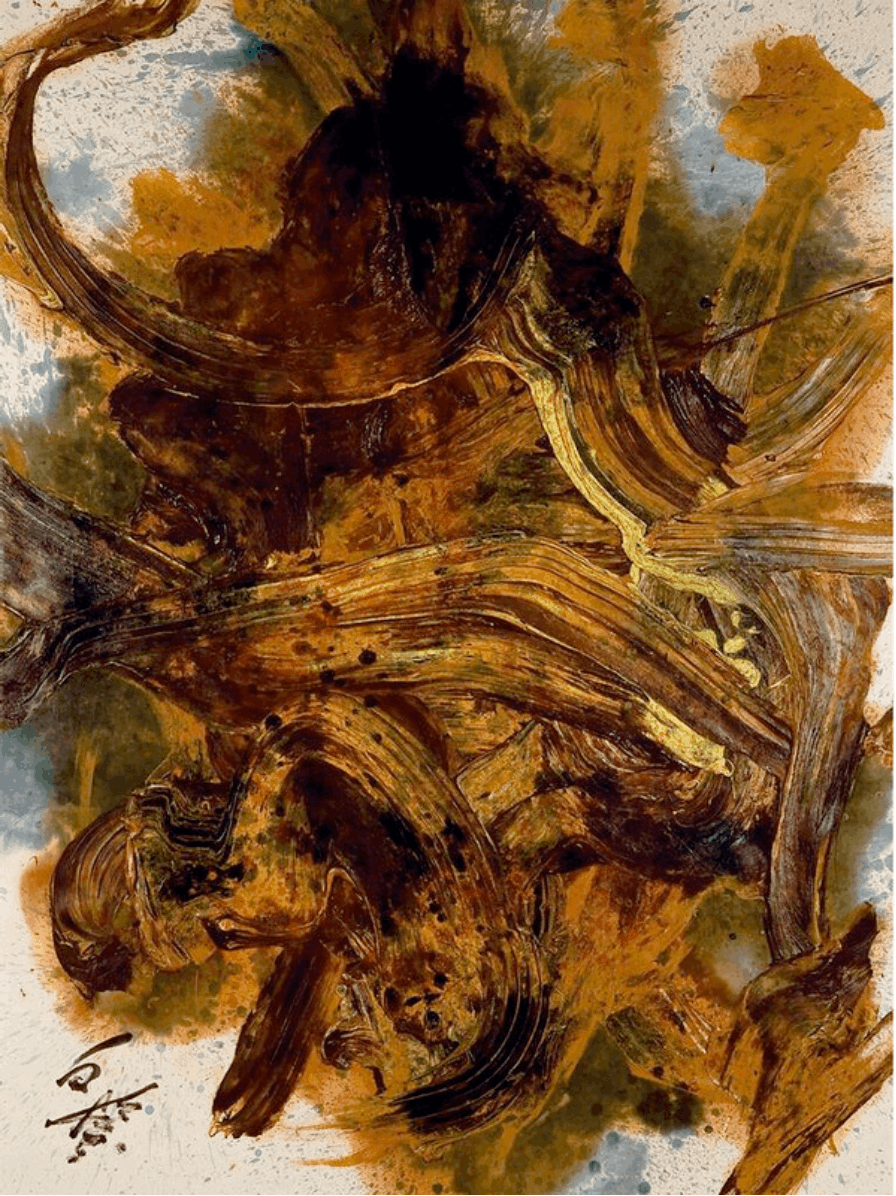
During the late 1950s, Japan experienced a creative movement that rejected traditional Western ideas about art and focused on conceptual performance. Gutai artists collaborated with Allan Kaprow in his Happenings, which were multimedia events that involved the participation of audience members. This merging of art with everyday life allowed for multiple possible meanings to be perceived by viewers.

A brief summary of the period

The avant-garde movement Gutai, was active from the late 1940s to mid-1960s and promoted a radical and energetic approach to artmaking that encompassed performance, painting, installation, and theatrical events. It achieved an extraordinary level of international recognition and influenced conceptual and performance artists that came after them. It marked one of the most important moments in post-war Japanese culture.

The Pop Art Period

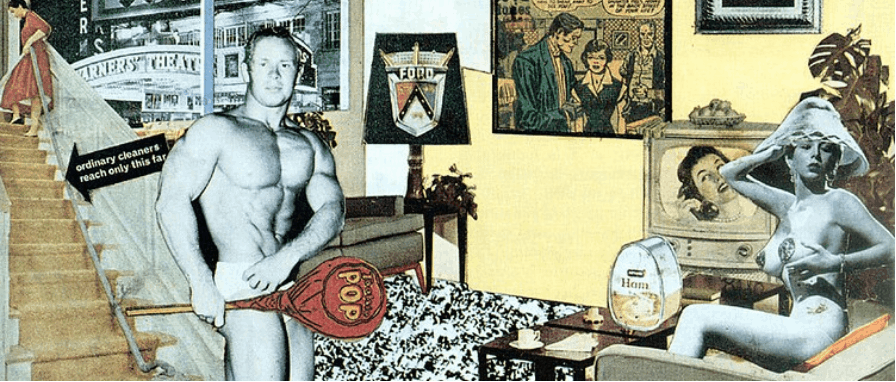
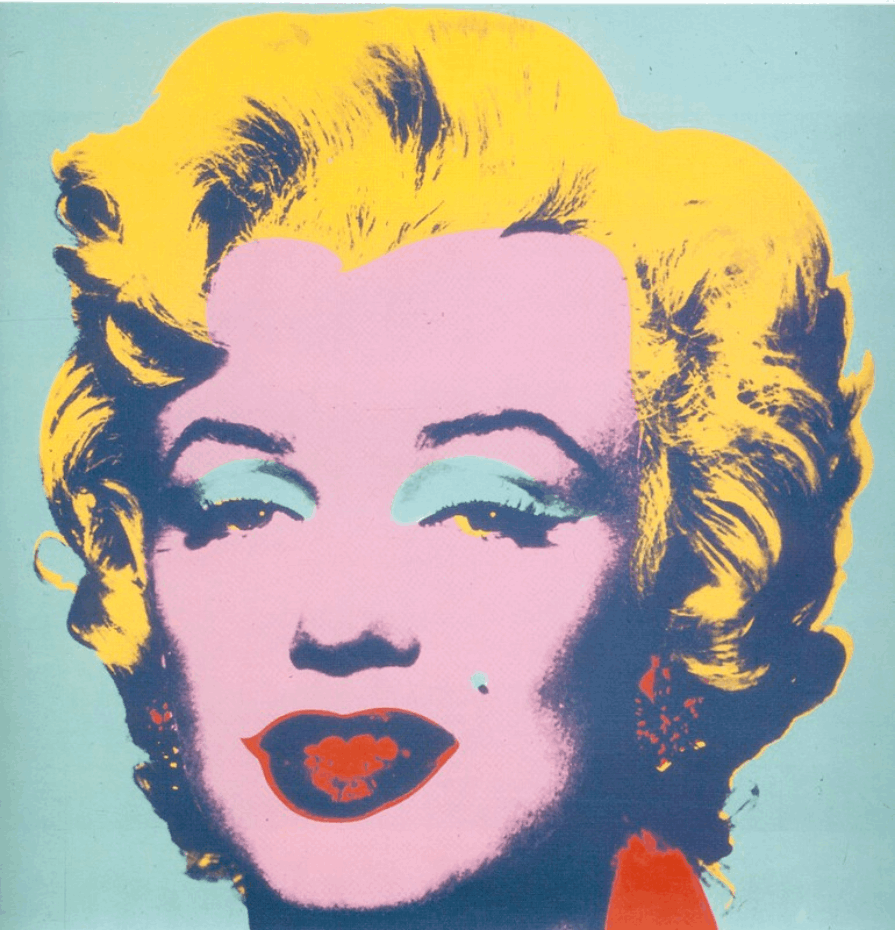
The Pop Art movement emerged simultaneously in various countries during the post-World War II consumer commodity boom in America. Artists such as Andy Warhol and Roy Lichtenstein created paintings that blended high art and popular culture while elevating advertising, celebrities, and cartoons to the status of art. This ambivalence created a subtle commentary on the new popular cultural landscape.

A brief summary of the period

Pop Art, a movement that reintroduced imagery drawn from media and popular culture after Neo-Dada and other movements questioned the very definition of “art” itself. Pop Art was born in the United Kingdom in the 1950s. American artists Andy Warhol, Roy Lichtenstein, James Rosenquist, and others would soon follow suit to become the most famous champions of Pop Art in their own rejection of traditional historic artistic subject matter.

Impactful artists of the Pop Art period


  • Andy Warhol
  • Roy Lichtenstein
  • James Rosenquist
  • Claes Oldenburg
  • Eduardo Paolozzi
  • Corita Kent
  • Richard Hamilton
  • Tom Wesselmann
  • Sigmar Polke
  • David Hockney
  • Alex Katz
  • George Segal
  • Ed Ruscha
  • Robert Rauschenberg
  • Jasper Johns
  • Peter Blake
  • Rosalyn Drexler
  • Pauline Boty
  • Jim Dine
  • Robert Indiana
  • Takashi Murakami
  • Yoshitomo Nara
  • Isabel Oliver
  • Larry Rivers
  • Martha Rosler
  • Wayne Thiebaud

Wayne Thiebaud

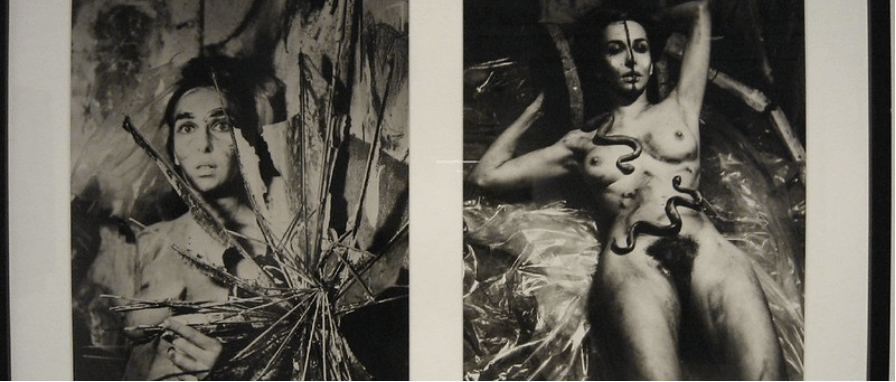
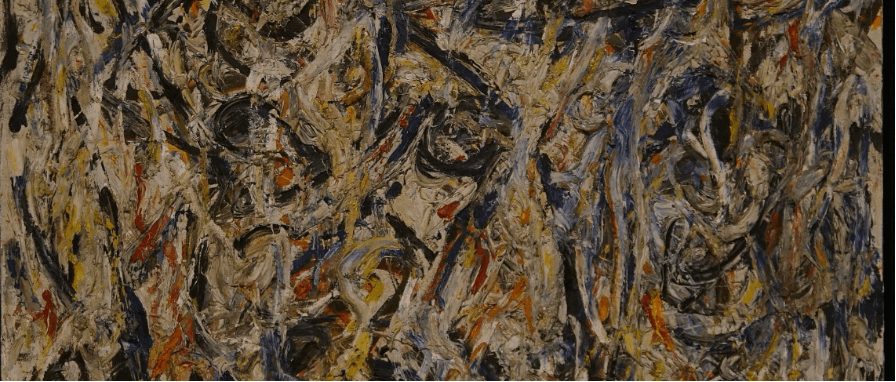
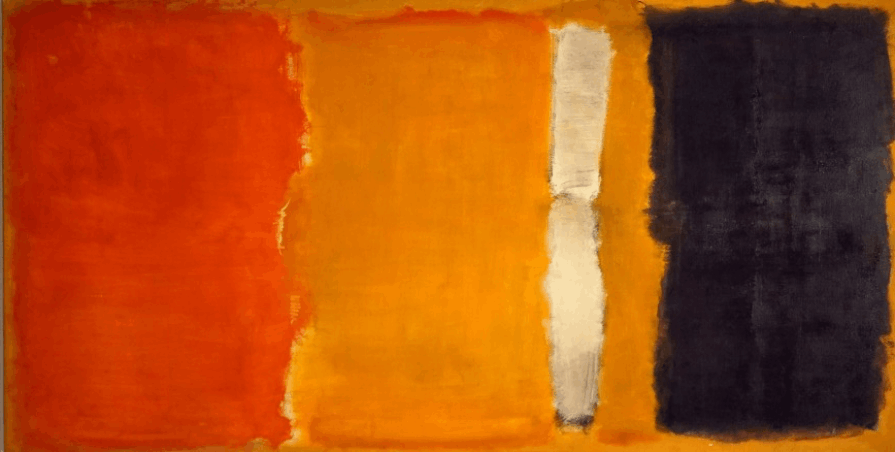
In the late 1950s, artists such as Allan Kaprow turned away from Abstract Expressionism and created Happenings. These performances incorporated elements of Futurism and Dadaism (painting, poetry, music, dance, theatre), required audience participation and incorporated sound into their pieces. Although often associated with Performance Art by critics, Happenings are distinct in that they do not include nudity or physical interactions between artist and spectator.
A brief summary of the period

In the 1950s and 1960s, Happenings were a form of performance art that encouraged viewer participation and was more than just a performance, they were interactive events. There was no set style for Happenings, as they varied greatly in size and intricacy. The Happening movement grew out of social changes occurring at the time and was a reaction against the long-standing dominance of technical aesthetics in Abstract Expressionism.

Impactful artists of the Happenings period


  • Allan Kaprow
  • Carolee Schneemann
  • George Brecht
  • John Cage
  • George Segal

The Fluxus Period

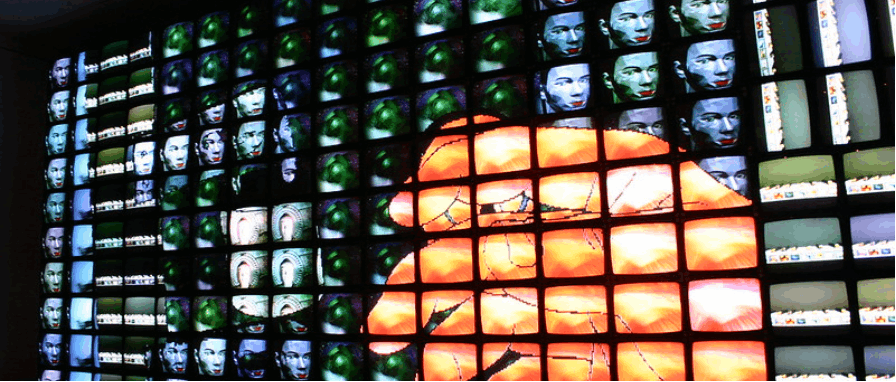
Fluxus was an informal alliance of artists, poets, and musicians who sought to change the art world. They reinvigorated Dadaist and Futurist notions of art as life and art for the masses by using humor to mock elitist high art while also wanting to change what and who constituted “art.” Fusing Conceptual art and Minimalism with music and poetry, their aim was to bring art to all involved—the viewer—through participatory works such as Yoko Ono’s Cut Piece (1964-1966).

A brief summary of the period

Fluxus was an international arts movement, particularly active in New York City. Artist George Maciunas is often considered the key figure in the movement’s development. Like the Futurists and Dadaists before them, many Fluxus artists believed that one does not need an education to view and understand a piece of art and like Dadaists, they wanted art accessible to all. Both Dadaists and Futurists, they wanted everyone to produce art.


Impactful artists of the Fluxus period

  • George Maciunas
  • Nam June Paik
  • George Brecht
  • Joseph Beuys
  • Walter de Maria
  • Carolee Schneemann
  • Yoko Ono
  • Allan Kaprow
  • Yayoi Kusama
  • John Cage
  • Robert Morris

The Performance Art Period

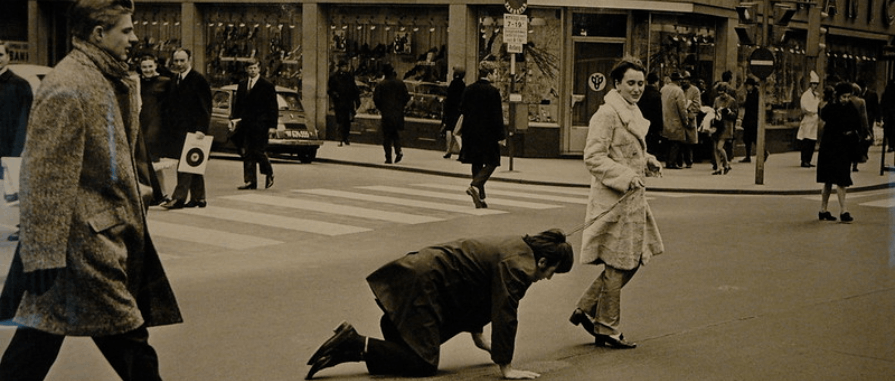
Performance art is a form of art in which the audience interacts with the artist and his or her artwork. Performance artists use many elements from work, sport, ritual, and dance to present their pieces. This movement has extended the “action painting” of Abstract Expressionists. The artist no longer paints on canvas but something else (often the artist’s own body). This led to the use of the body to make personal statements as seen in Feminist Art and anti-war activism.

The Viennese Actionism Period

The Viennese Actionists, a group of artists who staged provocative performances in public spaces, were influenced by the Fluxus art movement. The group’s most famous member was Hermann Nitsch, who spent time in prison for masturbating in public. The artists often used animal cadavers and mock crucifixions as props in their work, which was both violent and explicit. They filmed and photographed many of their performances.

A brief summary of the period

Vienna Actionism was an artistic movement that developed in Austria during the 1960s. Combining elements of performance art, body art and visual art, it produced shocking images and performances designed to bring about intense reactions in their audience. The group’s members were dissatisfied with what they saw as post-World War II Austria’s suppression of memories of Nazi atrocities committed in their country and wanted to force people to face these traumas head-on through their art.


Impactful artists of the Viennese Actionism period

  • Valie Export

The Arte Povera Period

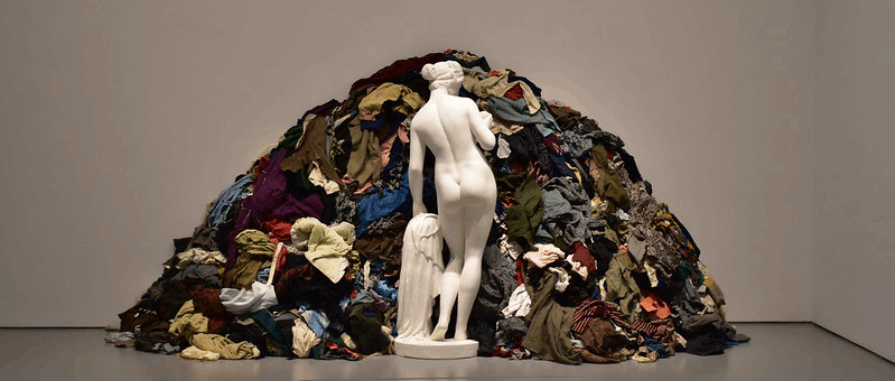
The Arte Povera movement was an Italian artist collective that sought to oppose the conventional modes of art. Artists such as Alighiero Boetti, Jannis Kounellis, Mario Merz, and Michelangelo Pistoletto practiced painting, embroidery, conceptual art, and performance with simple materials that contrasted to consumer culture. Such “poor” materials borrowed from and referred to simple objects from everyday life.

A brief summary of the period

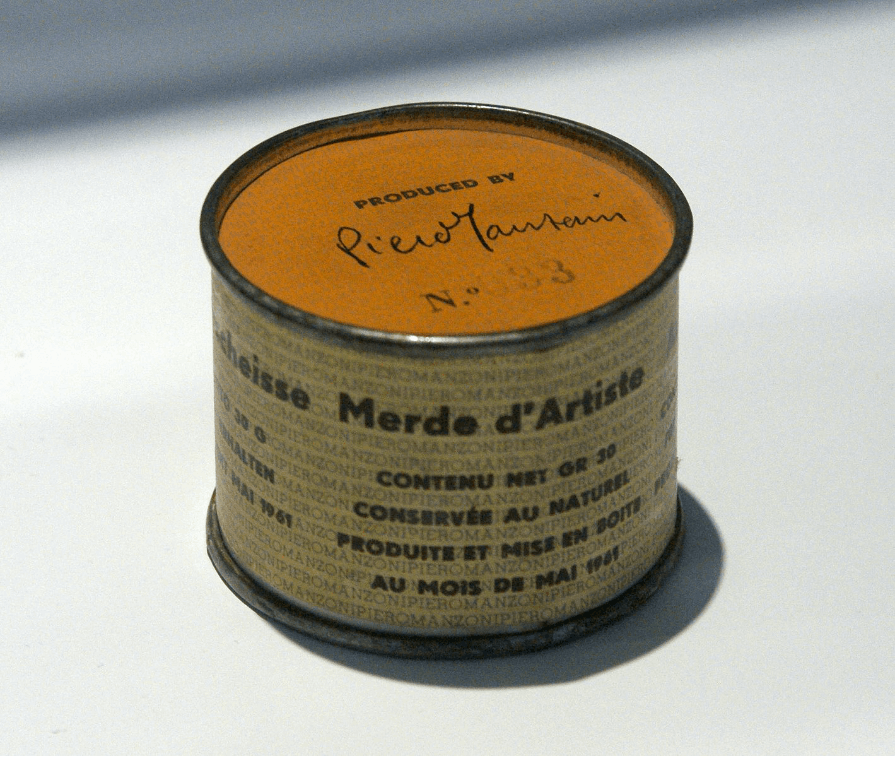
Arte Povera is an Italian phrase meaning “poor art” or “impoverished art.” It refers to an avant-garde movement that emerged in Southern Europe in the late 1960s, whose most recognizable trait was its use of commonplace materials such as earth, rocks, clothing, paper and rope that evoked a preindustrial age. This practice presented a challenge to modernist notions of value and propriety as well as subtly critiquing industrialization and mechanization at the time. The Arte Povera movement, while similar to American minimalism in its rejection of modernism and technology, differed in its evocations of the past, locality and memory.

Impactful artists of the Arte Povera period

  • Piero Manzoni
  • Michelangelo Pistoletto

The Minimalism Period

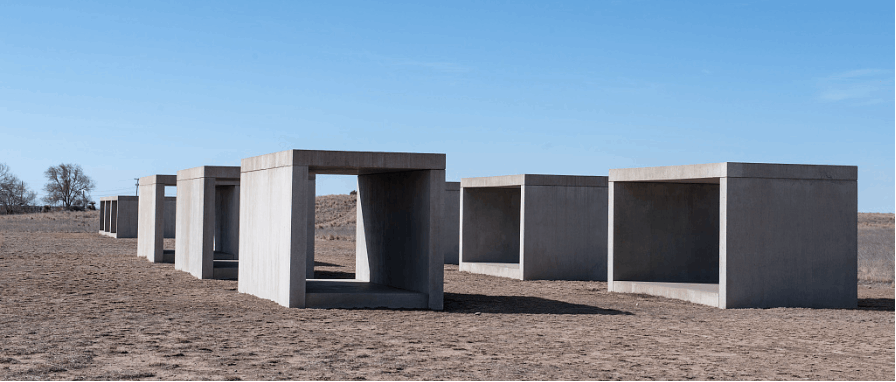
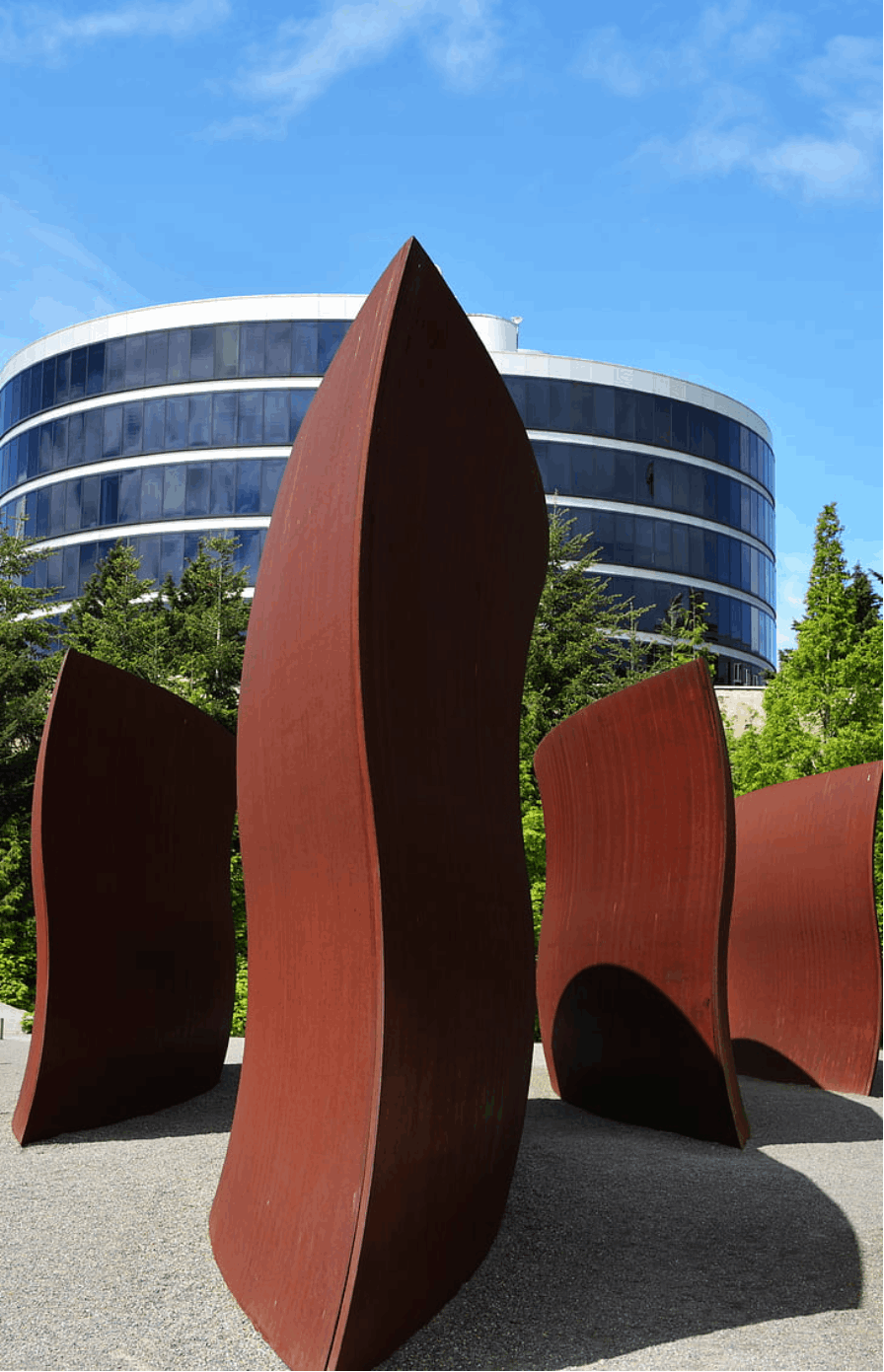
Minimalism is an artistic movement from the 1960s and 1970s involving the creation of simple, indivisible forms. Minimalist artists were influenced by concepts of anonymous, industrial manufacturing and geometric forms. They designed objects with simple, indivisible forms in an attempt to overturn previous conventions of sculpture. Led by articulate spokesmen such as Donald Judd, minimalism is a highly self-conscious attempt to overturn previous conventions of sculpture.

A brief summary of the period

Since its emergence in the early 1960s, Minimalism has been a dominant style in the art world. Minimalist artists used industrial materials and favored cool over dramatic content. They called attention to the materiality of their works and emphasized anonymity over emotional content. By the end of the 1970s, Minimalism had triumphed in America and Europe through a combination of forces including museum curators, art dealers, and publications plus new systems of private patronage. Post-Minimalism emerged as a critique of this movement.

Impactful artists of the Raphaelites period


  • Carl Andre
  • Donald Judd
  • Richard Serra
  • Sol LeWitt
  • Robert Morris
  • Dan Flavin
  • Kenneth Noland
  • Frank Stella
  • Agnes Martin

The Earth Art Period

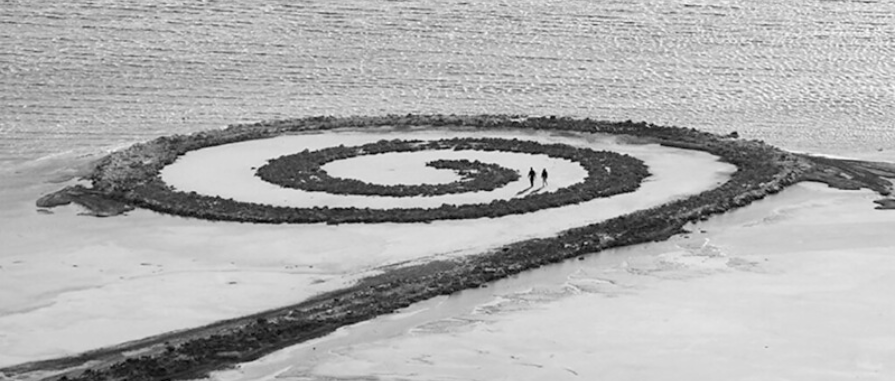
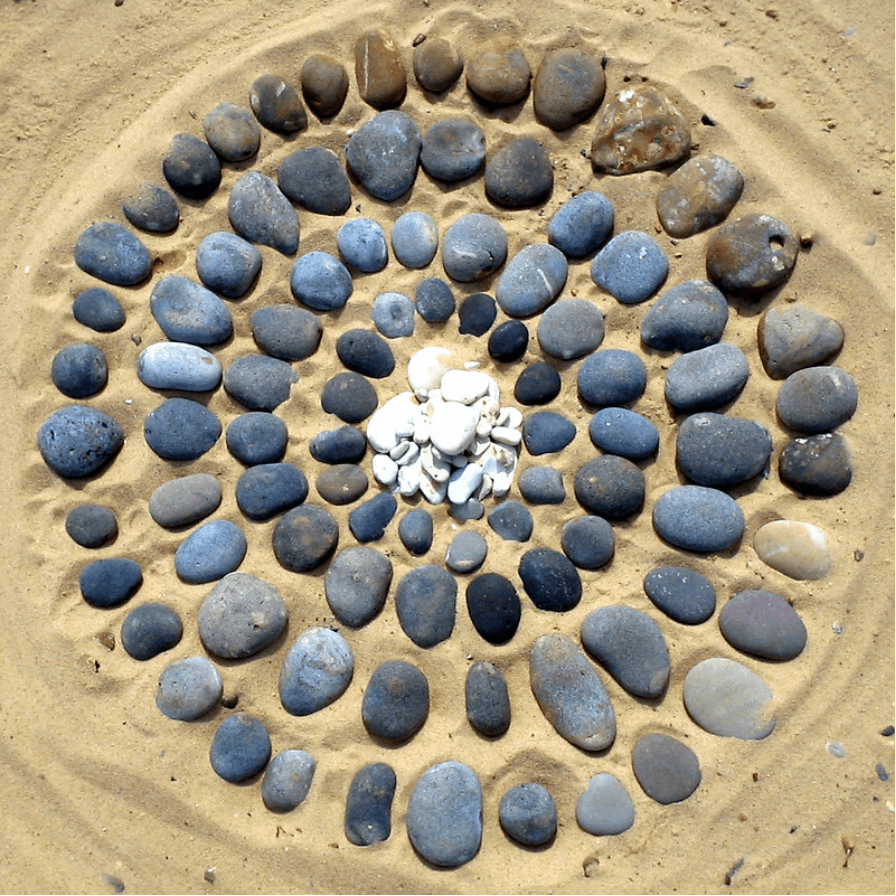
The Earth Art movement was influenced by environmental awareness, Conceptual and Minimalist ideas in postmodernism, and prehistoric artworks such as Stonehenge. Earth artworks such as Robert Smithson’s Spiral Jetty (1970), explored unprecedented scale and exposed art to the elements. In rejecting the commoditization of art, earth artists challenged the idea of art being owned or displayed for profit in institutions, museums, or private homes.

A brief summary of the period

Earth art is an artistic movement that emerged in the late 1960s and was an outgrowth of Conceptualism, Minimalism, and Arte Povera. The Monumentality and simplicity of minimal objects was appealing to many earth artists, as were the humble everyday materials used by Arte Povera artists and the participatory performances of Joseph Beuys that stressed creativity in any environment.

Impactful artists of the Earth Art period

  • Robert Smithson
  • Andy Goldsworthy
  • Nancy Holt
  • Maya Lin
  • Ana Mendieta
  • Walter de Maria
  • Michael Heizer
  • Richard Long
  • James Turrell
  • Dennis Oppenheim

The Conceptual Art Period

The Conceptual Art movement was influenced by Minimalism, Dada and Pop Art. These artists rejected conventional notions of painting and sculpture to develop art without objects. Many created works from maps, photographs, texts and performances that challenged the way we viewed art. It was also a critique of the institutions that supported them raising questions about aesthetics, expression, skill, and marketability.

A brief summary of the period

Conceptual art is a movement that depends on the conceptual, rather than visual or formal elements. Artists created works and writings that rejected traditional standards of art, such as aesthetics and skill. Their chief claim was that articulating an idea was enough to make it a work of art. It implied that concerns such as aesthetics and skill were irrelevant standards by which art was usually judged. Conceptual art is part of a succession of post-World War II avant-garde movements that succeeded in breaking down the traditional definitions of art. Conceptualists were especially radical, redefining the concept of a work of art to include not only physical objects but also ideas, theories, etc.

Impactful artists of the Conceptual Art period

  • Joseph Beuys
  • Sol LeWitt
  • Robert Smithson
  • Damien Hirst
  • Joseph Kosuth
  • John Baldessari
  • Robert Rauschenberg
  • Walter de Maria
  • Jenny Holzer
  • Lawrence Weiner

The Post-Minimalism Period

Post-Minimalism is an artistic movement characterized by a reaction against the formalism and austerity of Minimalism. Post-Minimalist artists extended the ideas of their predecessors by working with large, earth-based pieces and introducing more process in their work while reintroducing qualities of expressiveness in their pieces. Some Post-Minimalists rejected industrial materials in favor of more expressive sculptures that conveyed personal emotions.

A brief summary of the period

During the late 1960s and early 1970s, some artists reacted against Minimalism’s impersonality by attempting to invest sculpture with emotionally expressive qualities. These artists became known as post-Minimalists, and their movement included such tendencies as Body art, Performance art, Process art, Site-Specific art and aspects of Conceptual art. Post-Minimalism led to an emphasis on process over product, as seen in Open form or Environmental installation art.

Impactful artists of the post-Minimalism period

  • Vito Acconci
  • Chris Burden
  • Sol LeWitt
  • Robert Morris
  • Richard Serra
  • Joseph Beuys
  • Eva Hesse
  • Bruce Nauman
  • Robert Smithson

The Photorealism Period

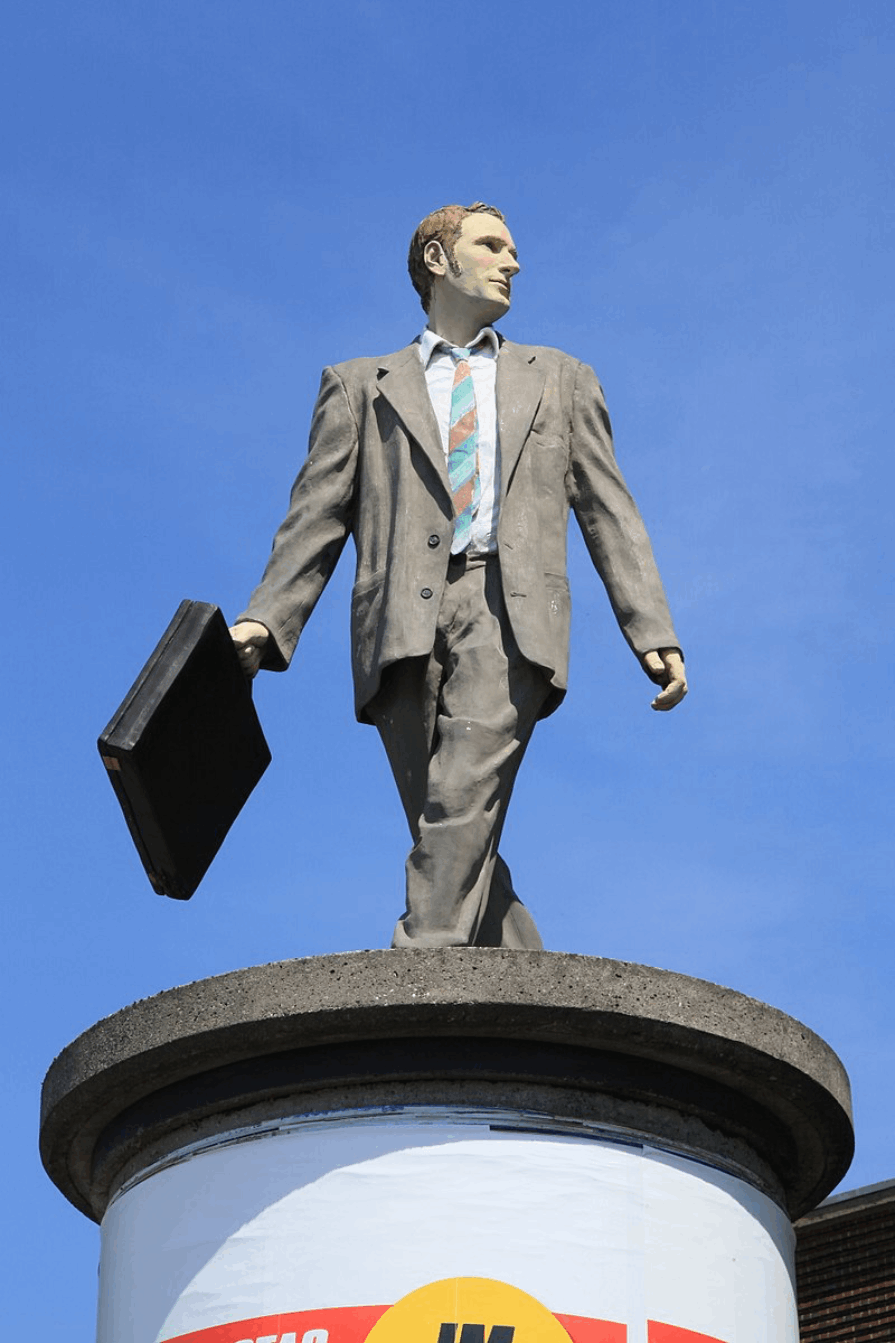
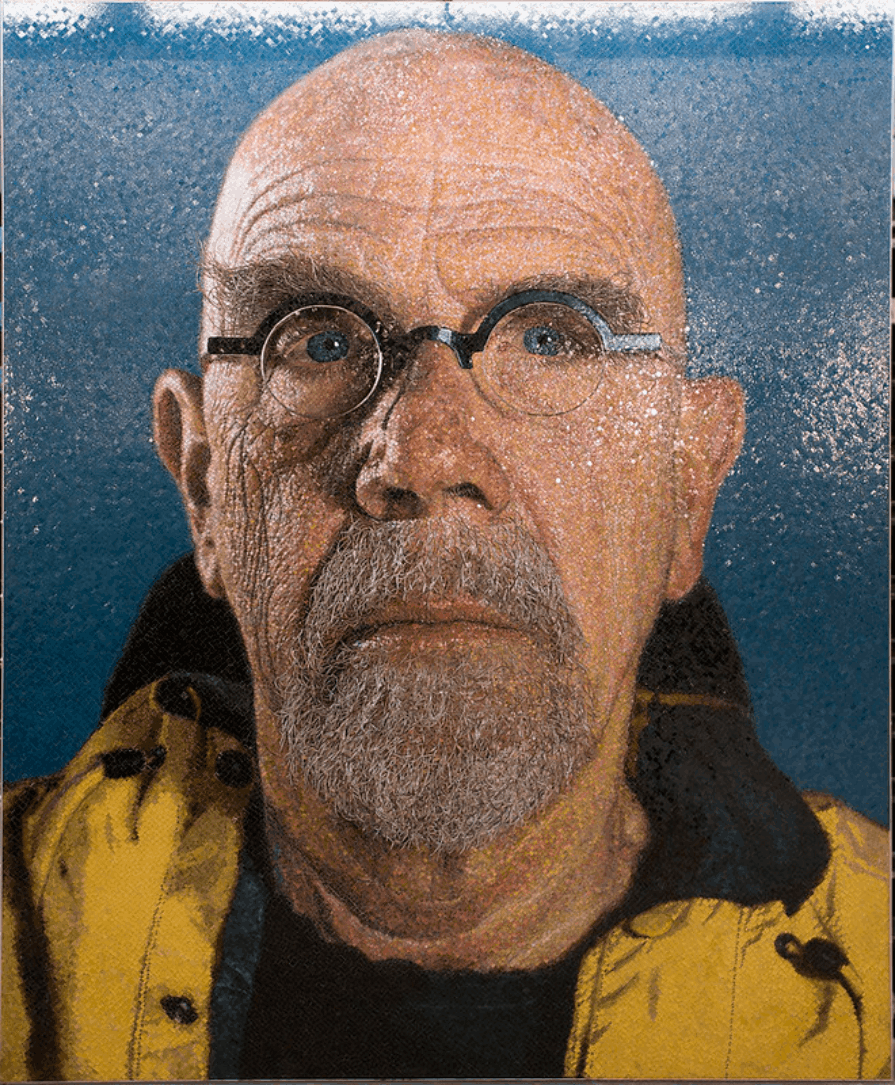
Photorealism is a style of painting that emerged in response to postwar art and pop culture, depicted familiar objects with greater visual accuracy by photographing them. Notable artists associated with this movement include Robert Bechtle and Don Eddy. In order to distinguish their work from Pop Art, photorealists blurred the line between reality and fantasy in their paintings by incorporating elements that were not present in their photographs.

A brief summary of the period

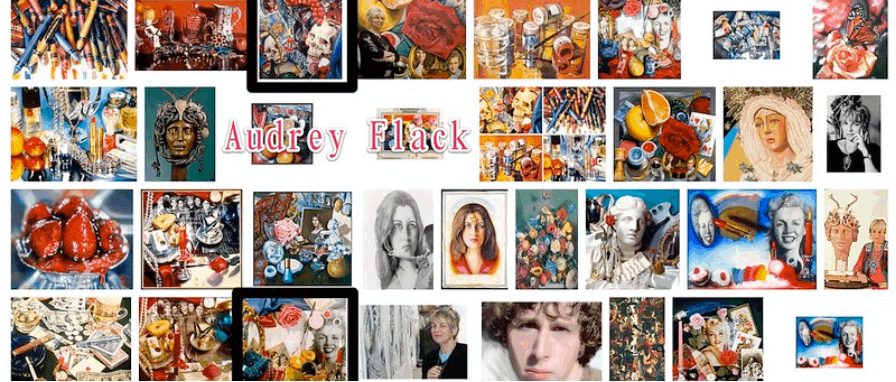
The Photorealist movement in art began in the 1960s and was characterized by an interest in photography as a primary source of inspiration. Photorealists projected images onto canvas and used an airbrush to create exact replicas. Male practitioners often painted machines and objects of industry, but Audrey Flack was the sole female practitioner of this genre who expressed more emotion in her works. The movement attracted a wide audience but is often overlooked by art historians.

Impactful artists of the Photorealism period

  • Chuck Close
  • Ralph Goings
  • Audrey Flack
  • George Tooker
  • Richard Estes
  • Duane Hanson
  • Wayne Thiebaud

The Feminist Art Period

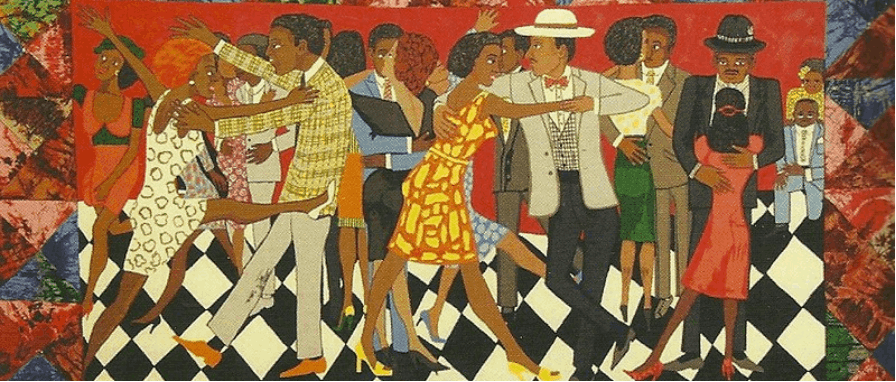
In the late 1960s, the anti-war movement and calls for equality led to a revolution in Feminist art. Artists sought to transform stereotypes by questioning the social and political landscape, using non-traditional media such as fabric, fiber, performance, video, and alternative venues. They sought to promote the visibility of female artists such as Judy Chicago and Barbara Kruger while challenging the established precedents in the visual arts.

A brief summary of the period

In the late 20th century, Feminist art emerged as a response to anti-war demonstrations, civil rights movements and other social issues. Harkening back to early-20th-century modernist movements, Feminist artists sought to rewrite a falsely male-dominated art history, change contemporary society through their art and challenge the existing art canon. The contributions of women artists from around the world cannot be overlooked. These include artists like German Dadaist Hannah Höch and Mexican Surrealist Frida Kahlo whose notable examples of powerful works have inspired Feminist artists since the movement originally began.

Impactful artists of the Feminist Art period

  • Judy Chicago
  • Barbara Kruger
  • Hannah Wilke
  • Marina Abramović
  • Ana Mendieta
  • Sherrie Levine
  • Suzanne Lacy
  • Miriam Schapiro
  • Carolee Schneemann
  • Jenny Holzer
  • Faith Ringgold
  • Martha Rosler
  • Laurie Anderson
  • Luchita Hurtado

The Pictures Generation Period

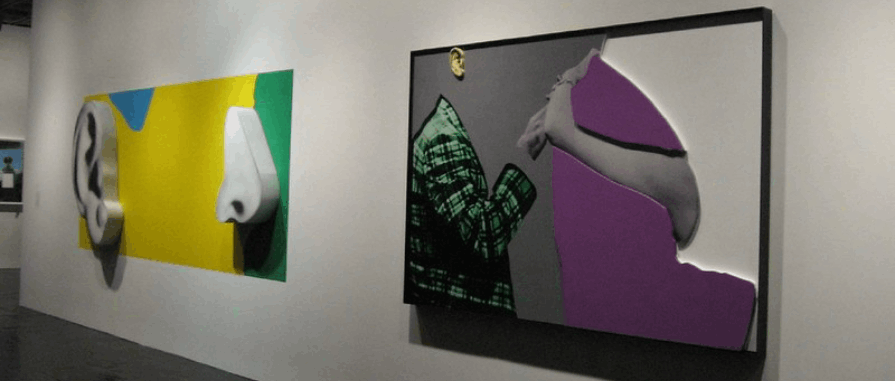
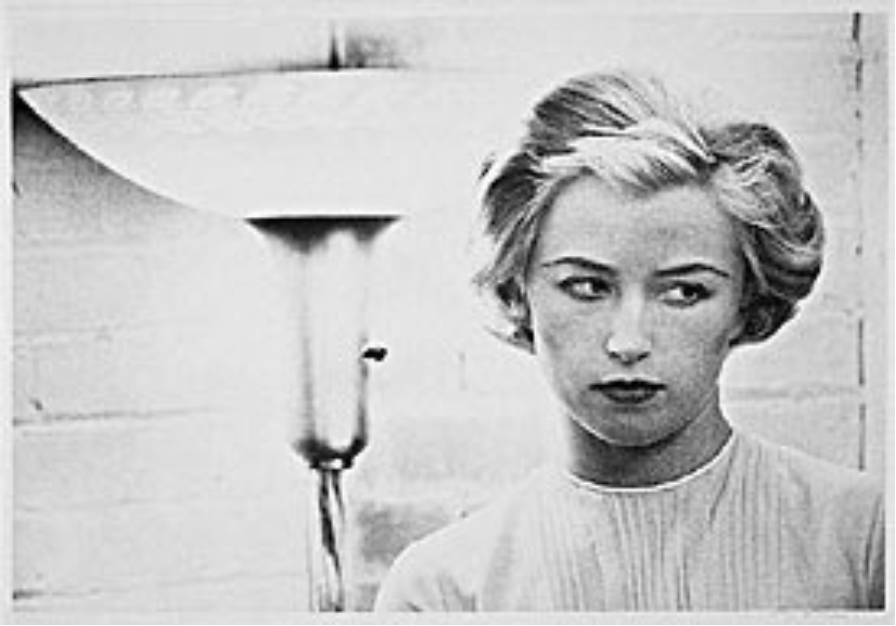
Influenced by the increasingly image-led mass media, a loose affiliation of artists working in photography and video in the late 1970s examined images produced via photography and video. Most had been formally trained in painting and sculpture, but these artists worked in unorthodox ways, reworking images of icons and stereotypes. Their use of appropriation was both a critique of authenticity and an examination of authorship and originality.

A brief summary of the period

The Pictures Generation, a group of artists who were influenced by Conceptual and Pop Art, reworked popular images to expose cultural tropes and stereotypes. By challenging notions of individuality and authorship, the movement was an important part of postmodernism. The artists created a more savvy and critical viewing culture while also expanding notions of art to include social criticism for a new generation of viewers saturated by mass media.

Impactful artists of the Pictures Generation period


  • John Baldessari
  • Barbara Kruger
  • Sherrie Levine
  • Richard Prince
  • Cindy Sherman
  • Jack Goldstein
  • Robert Longo

The Neo-Expressionism Period

Neo-expressionism is a late 20th century postmodern art movement that evolved in the aftermath of abstract expressionism. The movement’s main figures such as Georg Baselitz Anselm Kiefer, were dissatisfied with what they felt was the clinical and impersonal nature of modernist painting. They turned to many modernist idioms for inspiration, but simultaneously continued with their critique of modernism: a critique centered on material and process rather than style or iconography.

A brief summary of the period

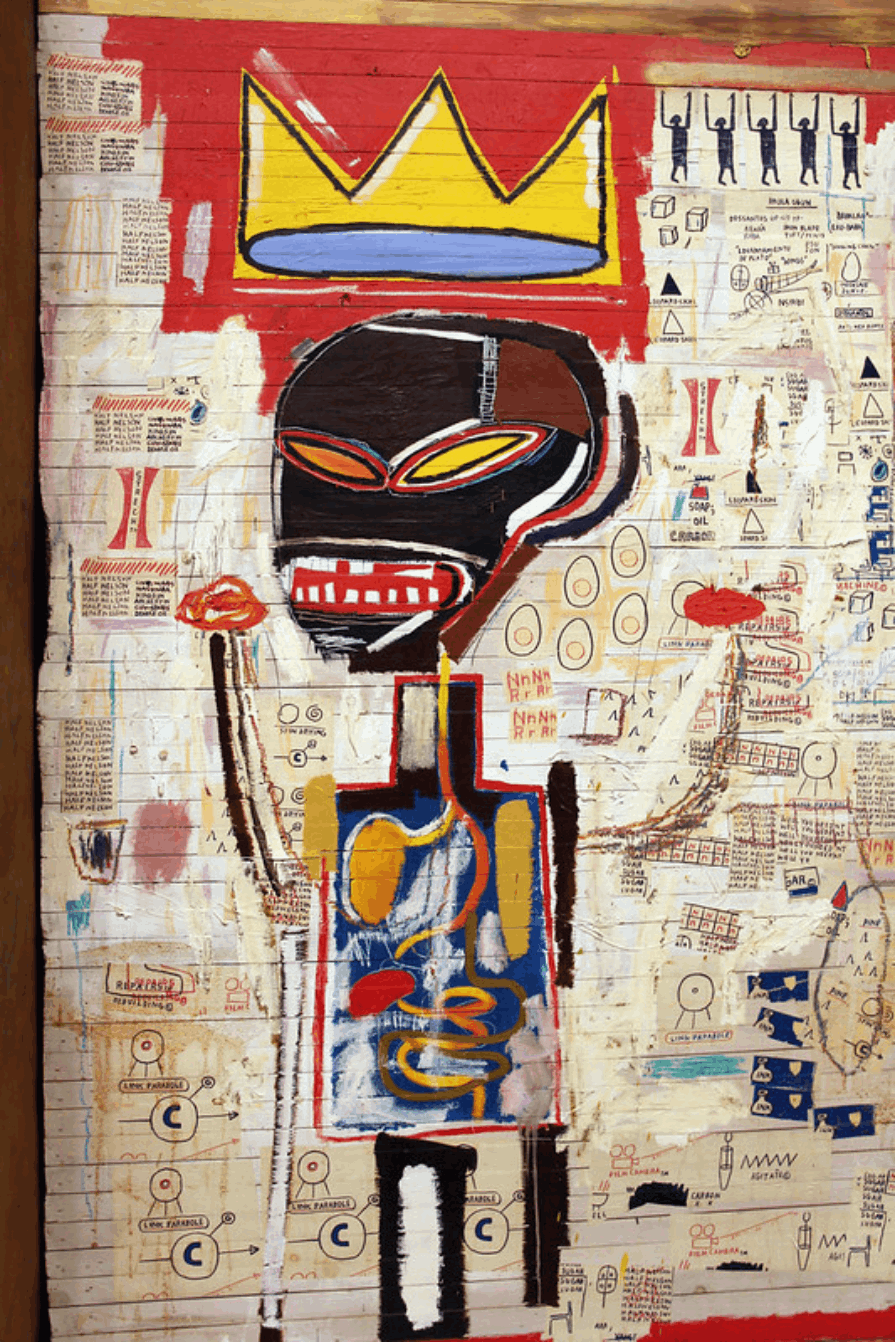
In the 1970s, German artist Georg Baselitz led a revival of Expressionism. This resurgence also became part of an international return to sensuousness in painting and away from stylistically cool sparseness in Minimalism and Conceptualism by the 1980s. The trend toward expressive painting had its most visible American adherents in Julian Schnabel and Jean-Michel Basquiat. Both artists drew on a variety of themes including mythological, cultural, historical, and nationalist as well as erotic.


Impactful artists of the Neo-Expressionism period

  • Georg Baselitz
  • Philip Guston
  • Eric Fischl
  • Anselm Kiefer
  • Jean-Michel Basquiat
  • Julian Schnabel
  • Francesco Clemente
  • David Salle

The Young British Artists Period

The Young British Artists, a loosely affiliated group of artists, shocked the world with their 1988 Freeze exhibition and its violent and pornographic images. Media-savvy, the YBAs focused on spectacle. They provoked international debates in 1997 with their infamous Sensation exhibition featuring Damien Hirst’s shark, Marcus Harvey’s Portrait of the Virgin Mary using elephant dung, and Chris Ofili’s painting of a nude woman surrounded by pornographic images.

A brief summary of the period

The Young British Artists, a group of artists who congregated in London in the late 1980s and were best known for two controversial art exhibits—Freeze (1988) and Sensation (1997) and are noted for their entrepreneurial spirit and shock tactics. The most commercially successful YBAs are now some of the richest artists in the world, but their work has been criticized as being postmodern and lacking artistic skill by many critics.

Impactful artists of the Young British Artists period


  • Damien Hirst
  • Rachel Whiteread
  • Gary Hume
  • Jake and Dinos Chapman
  • Jenny Saville
  • Tracey Emin
  • Sarah Lucas
  • Gillian Wearing
  • Angus Fairhurst
  • Chris Ofili
top
Jacob Samuel Selects